Carpe diem. If you've watched Dead Poet's Society, you'd know the meaning. If you haven't, you may have come across it somewhere and sometime in your life, whether it's the newspapers, television ads or people talking. In case you don't know what that the special phrase means, it is Latin for "Seize the day".
Life is precious. We all acknowledge that but how many of us actually grasp it? Just like many other things, we take life for granted... until it's about to be taken away from us. Carpe diem has been my life motto for quite some time now. If I were to get a tattoo, it'd be that phrase on my arm, where I can see it and reminded of how time is slipping away. Even if we think that we'll have years away from us, it can all change because of a terminal illness or a fatal accident.
Recently, I watched this very inspirational video of a man who got on Oprah to pass a very important message to everyone. His life has been cut short and he has done everything he could to make the best out of what he has left. I would like to share this video with everyone because it has touched me and maybe it will touch you too.
What's your take on life? What's your motto?
Showing posts with label Enlightment. Show all posts
Showing posts with label Enlightment. Show all posts
Saturday, June 23, 2012

Wednesday, June 20, 2012
I recently came across this article about removal of eye makeup. No, it's not written by some celebrity makeup artist or by a makeup remover manufacturer. It was written by optometrists/eye doctors. It's really fascinating because what they write in the article is true and not many makeup-wearers are aware of it. Not removing makeup properly does not just clog your pores, your eye makeup will irritate your eyes and affect the quality of your tears. Women who wear lots of mascaras and line their waterlines are more prone to dry eyes.
You might think, "Okay, so what? I can just use eye drops." Yes, but tears are an essential part of your defense/immune system. It contains enzymes that can break down bacteria, which helps to protect the eye from infections. Using eye drops will keep your eyes moist but it will not contain all the natural enzymes that your tears have. Since I've read the article, I've been cutting down on waterlining my eyes. I still wear mascara but since I seldomly wear makeup, it should not affect me.
However, if you do wear a lot of eye makeup and love and cannot live a day without it, just make sure you take time to remove your it. The article advises against using waterproof makeup and oil removers because it leaves a bit of residue behind. Please read the article for a full explanation. A way to improve the quality of your tears is to eat fish regularly. A lot of fish contain omega 3 fatty acids.
As for actual makeup removal (including eyes), I love Lisa Eldridge's method. She's a high profile makeup artist who has worked with Kate Winslet, Emma Watson and (let's not forget!) Katy Perry, just to name a couple. She's really amazing and very knowledgeable. I thoroughly enjoy watching her Youtube videos.
Summary
Wicked Wednesday: Eye Makeup Removal
 |
| Source: tips4beauty.blogspot.com |
You might think, "Okay, so what? I can just use eye drops." Yes, but tears are an essential part of your defense/immune system. It contains enzymes that can break down bacteria, which helps to protect the eye from infections. Using eye drops will keep your eyes moist but it will not contain all the natural enzymes that your tears have. Since I've read the article, I've been cutting down on waterlining my eyes. I still wear mascara but since I seldomly wear makeup, it should not affect me.
However, if you do wear a lot of eye makeup and love and cannot live a day without it, just make sure you take time to remove your it. The article advises against using waterproof makeup and oil removers because it leaves a bit of residue behind. Please read the article for a full explanation. A way to improve the quality of your tears is to eat fish regularly. A lot of fish contain omega 3 fatty acids.
As for actual makeup removal (including eyes), I love Lisa Eldridge's method. She's a high profile makeup artist who has worked with Kate Winslet, Emma Watson and (let's not forget!) Katy Perry, just to name a couple. She's really amazing and very knowledgeable. I thoroughly enjoy watching her Youtube videos.
Summary
- Remove your eye makeup properly!!
- It affects your tear production, causing dry eyes and poor tear quality.
- Tears are essential for protecting your eyes.
Saturday, April 14, 2012
Sweet & Sassy Saturday: The Thing About "Drugstore Makeup"
In case you don't already know, I'm more of a high-end makeup person. YSL, Bobbi Brown, Shu Uemura, MAC, you name it. Luxury should be my middle name. I rarely buy makeup from pharmacies or drugstores, as the Americans call them. I just love how high-end makeup gives off a good quality feel. I'd like to think that I'm getting what I'm paying for. I'm also trying to practise the "quality over quantity" way of living, especially when it comes to makeup.
I found this Youtube video (below) through the Luxy Hair sisters' Facebook page. It's of a makeup artist/Youtube beauty guru explaining why she doesn't use/buy "drugstore makeup".
I felt enlightened after watching this video.
What's your take on "pharmacy makeup"?
I found this Youtube video (below) through the Luxy Hair sisters' Facebook page. It's of a makeup artist/Youtube beauty guru explaining why she doesn't use/buy "drugstore makeup".
I felt enlightened after watching this video.
What's your take on "pharmacy makeup"?
Wednesday, March 28, 2012
I recently watched an inspiring talk by a woman named Jessica Jackley (photo above) on ted.com. She started kiva.org, a website that allows people to help others through microlending. Instead of donating our money through companies who say that they will give them to or buy supplies for the poor, we lend a poor person (as little as) $25, at no interest. This is for them to start a business (a capital) so that they become self-sufficient. As their business prosper and when they have enough, they would pay us our money back. It's a new concept to me and I find it very interesting. Watch the video to learn more about kiva.org and how you can help. It's not a recent video but I think it's still very much relevant now.
On a side note, if you've never heard of ted.com, it's a website full of talks that are hosted all over the world regarding modern day issues and ideas.
A New Way to Help
 |
| Source: camosun.ca |
I recently watched an inspiring talk by a woman named Jessica Jackley (photo above) on ted.com. She started kiva.org, a website that allows people to help others through microlending. Instead of donating our money through companies who say that they will give them to or buy supplies for the poor, we lend a poor person (as little as) $25, at no interest. This is for them to start a business (a capital) so that they become self-sufficient. As their business prosper and when they have enough, they would pay us our money back. It's a new concept to me and I find it very interesting. Watch the video to learn more about kiva.org and how you can help. It's not a recent video but I think it's still very much relevant now.
On a side note, if you've never heard of ted.com, it's a website full of talks that are hosted all over the world regarding modern day issues and ideas.
Monday, February 6, 2012

It's been a while since I had an epiphany! Out of nowhere, a thought struck me that perhaps I could write my very own version of How to Start a Blog.
Find Your Style
Aesthetics
Any other tips?
How to Start a Blog: a Guide

It's been a while since I had an epiphany! Out of nowhere, a thought struck me that perhaps I could write my very own version of How to Start a Blog.
Please note that the following guide is based on the
assumption that you wish to start a blog with Google’s Blogger.
Interested in starting up a blog but not sure how to? Or
maybe you already have but it’s only been a few weeks and you’re stuck! I’ve
been blogging since 2008. I may not be a successful blogger (well, it depends
on your definition) but I’ve picked up nuggets of blogging “wisdom” over the
years. I hope to impart whatever useful although meagre knowledge that I have
on anyone who’d like to venture into the World of Blogging.


For yourself (plus a few friends and family). Some blogs are
for amusement. It’s writing for the love and the fun of it. It’s a form of
expression that you can easily share with people close to you. Of course you
could have saved yourself the trouble and sent an email but the feeling is
different. A blog is perhaps less imposing and people can choose to read what
you’ve written whenever they like. It can be a private blog or one for friends
and family but open to everyone.
For the readers. There are those who take blogging more seriously.
They churn out posts quite consistently, taking on a magazine editor type role.
Each post is carefully thought out, planned and beautifully crafted. Although I
must say there aren’t many people who are like that. It’s good for the readers
because they are getting what they would like to read. It’s bad for you if you’re
just obsessed with readership numbers and no longer enjoying it.
For yourself and the readers. Personally, I think this is the
best road to take if you want your blog public. I’m guessing you’re someone who
wants to have fun blogging at the same time, cater for your readers. When you’re
preparing a post, just think “Would I enjoy reading this?” If you won’t even
read what you wrote, who else would? It’s natural to want many followers but
don’t worry too much about it. If you’re good, readers are bound to find your
blog, all thanks to search engines.
 |
| Source: unfortunately, I did not keep track of it. |
Theme and Audience
If you want your blog to reach out to many people, it’s a
good idea to determine the theme and audience of your blog. Love cooking? Blog
about food and recipes. Love makeup? Start a beauty blog. Enthusiastic about
technology? Write about the latest gadgets. The possibilities are endless. You
can even blog about interesting little things that happen to you every day.
Deciding on a theme does not mean that you cannot blog about
other things. By all means, branch out a bit on the occasional post. I just find
that blogs with a set theme tend to be more successful because birds of the
same feathers flock together. Beauty bloggers attract beauty buffs. My blog is
a very good (or should I say bad?) example. I try to cover too many things. I
don’t have a specific theme and so it appears to lack purpose.
In general, if you set a theme, you’ve already more or less
chosen your audience. For example, recipes and beauty blogs are mainly visited
by women, I think. If you’re writing a fashion blog, you may or may not be targeting
females in their twenties or teens. You should also consider, would your
audience (young or old, local or foreign) understand the “lingo” you are using?
 |
| Source: lookbook.nu |
Just like how authors each have their own unique writing
style, as a blogger, you’d have to find a style too. I don’t mean you must
decide on one and carve it in stone. You may want to experiment. Over the
months, you’ll find yourself settling into your own style. If being witty or
humorous is your strong point, I think you’d do very well to incorporate that
into your blog. One thing is for sure, never attempt to copy another blogger’s
style (even if he or she is a very successful one). Because it’s not you, it
won’t come out the same. What you want is your own personality shine through
your words.
Another style of blogs is the minimalist type. Your posts
can be filled with beautiful photos with only a few sentences accompanying
them. Kind of like the idea behind Tumblr and Instagram. This type of blogs
work very well, especially for people who don’t have a lot of time to read and
are very visual. Blogging doesn’t have to be a lot of complicated writing (like
this post). It can be sweet and simple. I mean, a picture can speak a thousand
words, right?
 |
| Source: home-designing.com |
The appearance of your blog isn’t necessarily the most
important element. Theoretically, your blog could look plain but have great
content and still attract a lot of readers. After all, we shouldn’t judge books
by their covers, right? Unfortunately, I’m one of those people who do. I
gravitate towards good-looking blogs. I might be generalising but I think it is
human nature to like things that we think are pretty or good-looking. So if you
agree with me, I suggest you style up your blog. You have no idea how many
times I had to “revamp” my blog (over the years) before I finally found a look
that I was happen with. It takes a lot of experimenting. But the main point is:
remember to choose a font style, size and colour that are easy for everyone to
read. If it’s hard to read, no one will bother. Also make sure, the design is
functional and simple. Having lots and lots of decorations is useless.
 |
| Source: yourheroicjourney.com |
Some people just have a flair for blogging. Others, like me,
don’t. However, don’t fret. If you’re a young blogger, I find that we improve
as we age and mature. I’ve weeded a lot of my old posts out because they were
pointless and immature. It takes practice. You’ll find yourself getting better
and better at it.
Learn how Blogger works. It really makes blogginer easier and the whole experience better.
Don’t take my word for gospel. Do more research if you like.
I could be wrong about something. Never stop learning. You can keep improving
your blog as you go along.
If you have any other questions, feel free to leave a comment!
Good luck and enjoy blogging!
Sunday, October 9, 2011

Image source: http://casarei.net/2011/06/ruiva/seaofshoes/
I've been a bit busy lately and so I have yet to do up my Clinique vs YSL mascaras post. I decided that to do this one first because I've planned it for a very long and would be able to whip it up within half an hour or so.
Currently, I'm embarking on a journey to grow my hair long. I've only ever had short to shoulder-length hair until last year when I decided to grow it long. Why? Why did I leave it till now to grow it out? It's because I attended schools that did not permit long hair. If you're one of those people who are taking on the challenge of growing and maintaining long hair like I am, you might want to read on because apparently, it's no easy feat! I've done a fair bit of research over the World Wide Web. So now, all you have to do it read or watch some of the Youtube videos that I've included.
Things that I have learned:
1. Wash your hair once every TWO days. You will hear this over and over again. It cannot be stressed enough. Even if you have and are keeping short hair, you should only be washing once every two days. This is because you don't want to completely strip your scalp of all the natural oils that it produces to keep your hair healthy.
2. Any form of heat damages your hair. You're meant to apply heat protectant on your hair when you blow dry to keep it from drying out. It goes without said that you have to do the same before straightening or curling your hair. You want to retain the moisture in your hair. I've included some links to blog posts that will teach you the technique of blow drying your hair.
TBD: Blow Dry Basics
ROH: Blow Dry Your Way To Beautiful Hair
3. If you wash your hair with hot water, STOP! It removes the moisture from your hair and that's how you get dandruff. Here's a little more on why. Be sure to check out "the cuticle" link that's in that post. The best is to wash your hair with cool water. If you're afraid of the cold, try this: adjust your water temperature until it matches your body temperature. You can tell because you would not be able to tell if it's warm or cool. Then turn your cold water up just a tiny bit more and ta-da! You have water that's just cool.
4. You should wear your hair in a braid to sleep. It doesn't have to be tight or proper. Just a loose braid would do. Otherwise, when you thrash around in your sleep at night, your hair gets tugged and pulled against your "rough" pillowcase. I find that ever since I started sleeping with my hair in a braid, I hardly find any loose strands of hair scattered on/around my pillow! How does that work, you might ask. Well, think of it this way: it's very easy of you to snap a single twig. But if you gathered and bunched ten twigs together, it's much harder for you to snap them all together. The same applies for hair. Together, they are stronger. Another option is to use satin pillowcases.
Here's an extensive guide to taking care of your growing hair. I know the web design looks a bit old but the content is still very much relevant.
5. You'll probably experience a lot more hair fall than when you had short hair. Don't fret, my pet! It's natural. Our hair has a cycle of growing, stopping growth, falling and regrowing. It does not mean that you are balding. Luckily, TBD's Kristin Ess has done all the research for us! Read her post to get the details on how/why hair loss occurs and how it can/cannot be fixed. Here's a simpler hair loss article. Just in case you're sick of TBD!
Lastly, if you want seriously lustrous and gorgeous hair. Follow Kristin's hair bootcamp! She's written out hair routines tailored to most, if not all, hair types. If you don't have the time, you don't have to do it. You can live without constant treatment. It's for those hardcore hair lovers out there. Here are some of her more general tips.
Another hair guru whom I love is Krista Bradford. Watch her videos for some tips on growing healthy hair. Krista's hair FAQ and foods for healthy hair.
If you want a list of hair products Lets Make It Up! has made a pretty good video about it. She also covers some basic hair care rules. So you can pretty much watch this instead of reading everything but you will miss some other important info.
Here are some easy DIY hair treatments!
TBD's version
Krista's version
Do you have any tips for growing long hair? Please do share it in the comments section below! I'd love to hear them.

Grow It & Grow It Right

Image source: http://casarei.net/2011/06/ruiva/seaofshoes/
I've been a bit busy lately and so I have yet to do up my Clinique vs YSL mascaras post. I decided that to do this one first because I've planned it for a very long and would be able to whip it up within half an hour or so.
Currently, I'm embarking on a journey to grow my hair long. I've only ever had short to shoulder-length hair until last year when I decided to grow it long. Why? Why did I leave it till now to grow it out? It's because I attended schools that did not permit long hair. If you're one of those people who are taking on the challenge of growing and maintaining long hair like I am, you might want to read on because apparently, it's no easy feat! I've done a fair bit of research over the World Wide Web. So now, all you have to do it read or watch some of the Youtube videos that I've included.
Things that I have learned:
1. Wash your hair once every TWO days. You will hear this over and over again. It cannot be stressed enough. Even if you have and are keeping short hair, you should only be washing once every two days. This is because you don't want to completely strip your scalp of all the natural oils that it produces to keep your hair healthy.
2. Any form of heat damages your hair. You're meant to apply heat protectant on your hair when you blow dry to keep it from drying out. It goes without said that you have to do the same before straightening or curling your hair. You want to retain the moisture in your hair. I've included some links to blog posts that will teach you the technique of blow drying your hair.
TBD: Blow Dry Basics
ROH: Blow Dry Your Way To Beautiful Hair
3. If you wash your hair with hot water, STOP! It removes the moisture from your hair and that's how you get dandruff. Here's a little more on why. Be sure to check out "the cuticle" link that's in that post. The best is to wash your hair with cool water. If you're afraid of the cold, try this: adjust your water temperature until it matches your body temperature. You can tell because you would not be able to tell if it's warm or cool. Then turn your cold water up just a tiny bit more and ta-da! You have water that's just cool.
4. You should wear your hair in a braid to sleep. It doesn't have to be tight or proper. Just a loose braid would do. Otherwise, when you thrash around in your sleep at night, your hair gets tugged and pulled against your "rough" pillowcase. I find that ever since I started sleeping with my hair in a braid, I hardly find any loose strands of hair scattered on/around my pillow! How does that work, you might ask. Well, think of it this way: it's very easy of you to snap a single twig. But if you gathered and bunched ten twigs together, it's much harder for you to snap them all together. The same applies for hair. Together, they are stronger. Another option is to use satin pillowcases.
Here's an extensive guide to taking care of your growing hair. I know the web design looks a bit old but the content is still very much relevant.
5. You'll probably experience a lot more hair fall than when you had short hair. Don't fret, my pet! It's natural. Our hair has a cycle of growing, stopping growth, falling and regrowing. It does not mean that you are balding. Luckily, TBD's Kristin Ess has done all the research for us! Read her post to get the details on how/why hair loss occurs and how it can/cannot be fixed. Here's a simpler hair loss article. Just in case you're sick of TBD!
Lastly, if you want seriously lustrous and gorgeous hair. Follow Kristin's hair bootcamp! She's written out hair routines tailored to most, if not all, hair types. If you don't have the time, you don't have to do it. You can live without constant treatment. It's for those hardcore hair lovers out there. Here are some of her more general tips.
Another hair guru whom I love is Krista Bradford. Watch her videos for some tips on growing healthy hair. Krista's hair FAQ and foods for healthy hair.
If you want a list of hair products Lets Make It Up! has made a pretty good video about it. She also covers some basic hair care rules. So you can pretty much watch this instead of reading everything but you will miss some other important info.
Here are some easy DIY hair treatments!
TBD's version
Krista's version
Do you have any tips for growing long hair? Please do share it in the comments section below! I'd love to hear them.
Wednesday, August 17, 2011
University Survival Guide - Saving Money
After half a year of university life, I've pick up some tips and tricks that I would more than likely remember for the rest of my life. I've decided that I'd share them here on my blog. Hopefully, they will help anyone who is about to start or has already started uni. So this post may actually be a "no-brainer" for some of you. Some of the things that I will point out may also be obvious to you. However, I find that a lot of people at my uni are either unaware of those tricks or choose not to adopt them.
 Seeing as the economy is potentially at the point of another meltdown, I think it'd appropriate for my first USG post to be about saving money. It is not easy being a university student, especially a full time one. Depending on the course you take, you may find yourself taking up to 4 subjects, 5 being the worst case scenario. Apart from attending lectures and tutorials/workshops, you're expected to put in some extra study time at home. So what does this leave you with? Very few hours to work, to make some moolah. "But hey, that's okay. I'll just make a little less. I just spend on whatever I want and save very little." That's where you're quite wrong. If you want to be a high achiever at uni, you'll have to "invest" a fair amount of money into it. Unless you're really rich, you'll find it a struggle to keep your High Distinction dream and your social/personal life "afloat".
Textbooks
 Most of your subjects will require a textbook. If you're willing to constantly fight over the measely few copies of textbooks in the library with dozens of other students, by all means, be my guest. The library copies are hardly freely available and depending on your uni, you may only have them on loan for a few hours or a few days or a couple of weeks. It'd be more efficient for you to have your own textbooks. But they are not cheap! Yes, I know. At first, I was dumb enough to buy all 4 of my textbooks brand new from the bookshop. Now, I desperately want to get rid of 2 of them, which were pretty useless to me. Luckily, the other 2 are essential for my course and I'll be using them profusely throughout my time at uni. So, my number one tip is to do some research! Your lecturer will recommend which textbook to purchase. Then, try to buddy up with a couple of seniors. Find out if the textbook is essential part of the subject. Did they manage to do really well without one? How did they do that? If you must buy one, look out for any "Textbook for Sale" ads on student noticeboards. Otherwise, check with your seniors,
they might be trying to sell their old textbooks. There's also this website called Student VIP. They have a lot of info and resources just for uni students. You can sign up with them. It's free. Go to their Textbook Exchange and hunt for secondhand textbooks there! If you're lucky, your uni may even have their very own secondhand bookshop!Still find those secondhand books really expensive? If you did your research way before you started uni, you'd have enough time to order your books online. You can check Amazon, Better World Books or Book Depository. Their used books range from $20 to $80. Remember, you have to do this at least a month before uni starts because the books are likely to be shipped from USA. "What if I've already started uni and need the book straight away?" You'll just have to buy a brand new copy. But don't fret! You can always sell it to the juniors next year or the year after when you are done with it.
Printing
 Even in this technological age, you'll probably find yourself printing out the lecture slides, notes and practice questions. It's just easier to study them that way. I find that as much as students wish they want to print more "cost-effectively", they simply don't know how to. I didn't know either until my friend taught me how to do it. Instead of printing each individual slide on an A4 paper, you can and should either 4 or 6 slides per page. I've even seen someone go as far as printing 9 slides per A4 page. You can print PowerPoint lecture slides as a handout. Personally, I find that handouts are too small and I can't see the diagrams and figures clearly. What I do is convert them to PDF. Then, under "Page scaling" I choose "Multiple pages per sheet". If I go with 4 slides per page, I would have the page setup as a landscape. For 6 slides, I stick with protrait. This is to maximise the size of the slides. I would also choose duplex printing (means printing on both sides of the paper). I find it more practical and cheaper to print in Black & White instead of colour. Sure, you wan to see the images in colour but that's where your textbook comes in. Most, if not all, lecturers take images from the textbook for their lecture material. In fact, if you've bought your textbook, you don't need to print those slides with the textbook diagrams and figures. I always delete the useless slides. Other than images, I delete "title slides". They serve no purpose when it comes to studying. I manually write the title onto my printed lecture materials. This can sometimes be a time-consuming process but once you're used to it, you can edit lecture slides really quickly and efficiently. Not only will doing all these save you lots of money, it'll save the environment too! Prior to learning these tricks, I used to spend $20 every few days on printing alone! Now, I only top up my printing account with $20 about every 3 weeks. I mean, why "waste" all your money on printing when you can use it to buy a skirt (in a girl's case) or a pair of earphones (in a guy's case) that you've been eyeing.
Food
 Generally, at our age, we eat a lot. Studying demands a lot of brain usage and our neurons need a lot of glucose and oxygen to function well. Here's a fun fact for you: if it must, the brain would starve the rest of the body to feed itself, with the exception of the heart, which feeds itself first before it feeds the brain. Food sold at universities should be cheap, seeing as they are catering for students, most of whom are not rich. However, this is not necessarily the case. They can be costly in the long run. You're better off bringing your own lunch. I bring a homemade sandwich to uni for lunch every day. Yes, you're allowed to be skeptical at that statement but you can believe me. I do have friends to vouch for me. Sometimes I bring an apple and/or a muesli bar in addition to my sandwich. And I buy them from the supermarket/local food & fruit shop. How can this be saving money? Allow me to do the math for you.
Say you have to attend uni 4 times a week. Let's also say you're really thrifty and you only spend $7 a day, which would afford you a small box of rice & curry or greasey fish & chips. This means that you would be spending $28 a week. "Hey, that's not bad at all. I can afford!" Okay. But compare it to mine. If I buy a loaf of bread ($2), ham slices (~$4), lettuce (~$1) and cheese slices (~$4), which will last me at least a week or two, I'll only be spending $11 per week! Although that's just an estimation, add a couple more dollars to the cost and it'd still be cheaper than buying food from uni every day, plus it's healthier. I'm NOT saying that you absolutely must not buy food from your uni at all. I'm just suggesting another way for you to save more money. To bring you closer to buying that gorgeous Wheels & Dollbaby dress that's at the top of your wishlist... Ahem. I mean, my wishlist. So I hope you do see my point. You don't have to stick to sandwiches. You can make something quick, easy and cheap like a pasta salad. Another tip is that if you enjoy snacking whilst studying in your uni library, you can buy your mixed nuts or
packet of biscuits from the supermarket (especially if they are on special!). It costs more to buy those things from uni because they don't have as much buying power as the large supermarkets. Not that, I'm discouraging you from supporting your university food outlets! I do buy food at uni very now and then.
Transport

This is a really long blog post. It's the longest I've ever composed but hang in there! We're almost at the end! This is the final money-saving tip that I would like to share. If you live more than a couple of suburbs away from uni, like I do, I strongly recommend you take public transport. Why are you better off taking the train/bus/tram to uni than driving your own car? I'll break it all down for you. With the next inflation just around the corner, petrol prices are on the rise. They already have risen quite a few cents. I remember 3 years ago, they were on average 100 cents per litre. Now, they are at least 130 cents per litre. If you drive your car to uni every day, you'd be spending around $50 a week just on petrol. Let's not forget, you'll have to pay for parking at uni. Not only are they expensive but the spaces are usually limited, depending on your campus. Imagining circling around looking for a parking spot when you're already 10 minutes late for your lecture! Where I live and where my uni is, we're virtually at opposite ends of the city. By bus, I have to travel for at least 45 minutes to reach uni. The same goes for going home. But guess what? I spend $50 every MONTH, as oppose to every week, on bus fares, thanks to concession prices. Again, you won't just be saving money, you'll be saving the environment! And here's another perk for you. If you're really studious, you can use your time on the bus, to peruse lecture material or study!
That's all the tips and tricks that I have for you for now. Hope you enjoyed reading them and found them really useful. Good luck at uni!
Seeing as the economy is potentially at the point of another meltdown, I think it'd appropriate for my first USG post to be about saving money. It is not easy being a university student, especially a full time one. Depending on the course you take, you may find yourself taking up to 4 subjects, 5 being the worst case scenario. Apart from attending lectures and tutorials/workshops, you're expected to put in some extra study time at home. So what does this leave you with? Very few hours to work, to make some moolah. "But hey, that's okay. I'll just make a little less. I just spend on whatever I want and save very little." That's where you're quite wrong. If you want to be a high achiever at uni, you'll have to "invest" a fair amount of money into it. Unless you're really rich, you'll find it a struggle to keep your High Distinction dream and your social/personal life "afloat".
Textbooks
Most of your subjects will require a textbook. If you're willing to constantly fight over the measely few copies of textbooks in the library with dozens of other students, by all means, be my guest. The library copies are hardly freely available and depending on your uni, you may only have them on loan for a few hours or a few days or a couple of weeks. It'd be more efficient for you to have your own textbooks. But they are not cheap! Yes, I know. At first, I was dumb enough to buy all 4 of my textbooks brand new from the bookshop. Now, I desperately want to get rid of 2 of them, which were pretty useless to me. Luckily, the other 2 are essential for my course and I'll be using them profusely throughout my time at uni. So, my number one tip is to do some research! Your lecturer will recommend which textbook to purchase. Then, try to buddy up with a couple of seniors. Find out if the textbook is essential part of the subject. Did they manage to do really well without one? How did they do that? If you must buy one, look out for any "Textbook for Sale" ads on student noticeboards. Otherwise, check with your seniors,
they might be trying to sell their old textbooks. There's also this website called Student VIP. They have a lot of info and resources just for uni students. You can sign up with them. It's free. Go to their Textbook Exchange and hunt for secondhand textbooks there! If you're lucky, your uni may even have their very own secondhand bookshop!Still find those secondhand books really expensive? If you did your research way before you started uni, you'd have enough time to order your books online. You can check Amazon, Better World Books or Book Depository. Their used books range from $20 to $80. Remember, you have to do this at least a month before uni starts because the books are likely to be shipped from USA. "What if I've already started uni and need the book straight away?" You'll just have to buy a brand new copy. But don't fret! You can always sell it to the juniors next year or the year after when you are done with it.
Printing
Even in this technological age, you'll probably find yourself printing out the lecture slides, notes and practice questions. It's just easier to study them that way. I find that as much as students wish they want to print more "cost-effectively", they simply don't know how to. I didn't know either until my friend taught me how to do it. Instead of printing each individual slide on an A4 paper, you can and should either 4 or 6 slides per page. I've even seen someone go as far as printing 9 slides per A4 page. You can print PowerPoint lecture slides as a handout. Personally, I find that handouts are too small and I can't see the diagrams and figures clearly. What I do is convert them to PDF. Then, under "Page scaling" I choose "Multiple pages per sheet". If I go with 4 slides per page, I would have the page setup as a landscape. For 6 slides, I stick with protrait. This is to maximise the size of the slides. I would also choose duplex printing (means printing on both sides of the paper). I find it more practical and cheaper to print in Black & White instead of colour. Sure, you wan to see the images in colour but that's where your textbook comes in. Most, if not all, lecturers take images from the textbook for their lecture material. In fact, if you've bought your textbook, you don't need to print those slides with the textbook diagrams and figures. I always delete the useless slides. Other than images, I delete "title slides". They serve no purpose when it comes to studying. I manually write the title onto my printed lecture materials. This can sometimes be a time-consuming process but once you're used to it, you can edit lecture slides really quickly and efficiently. Not only will doing all these save you lots of money, it'll save the environment too! Prior to learning these tricks, I used to spend $20 every few days on printing alone! Now, I only top up my printing account with $20 about every 3 weeks. I mean, why "waste" all your money on printing when you can use it to buy a skirt (in a girl's case) or a pair of earphones (in a guy's case) that you've been eyeing.
Food
Generally, at our age, we eat a lot. Studying demands a lot of brain usage and our neurons need a lot of glucose and oxygen to function well. Here's a fun fact for you: if it must, the brain would starve the rest of the body to feed itself, with the exception of the heart, which feeds itself first before it feeds the brain. Food sold at universities should be cheap, seeing as they are catering for students, most of whom are not rich. However, this is not necessarily the case. They can be costly in the long run. You're better off bringing your own lunch. I bring a homemade sandwich to uni for lunch every day. Yes, you're allowed to be skeptical at that statement but you can believe me. I do have friends to vouch for me. Sometimes I bring an apple and/or a muesli bar in addition to my sandwich. And I buy them from the supermarket/local food & fruit shop. How can this be saving money? Allow me to do the math for you.
Say you have to attend uni 4 times a week. Let's also say you're really thrifty and you only spend $7 a day, which would afford you a small box of rice & curry or greasey fish & chips. This means that you would be spending $28 a week. "Hey, that's not bad at all. I can afford!" Okay. But compare it to mine. If I buy a loaf of bread ($2), ham slices (~$4), lettuce (~$1) and cheese slices (~$4), which will last me at least a week or two, I'll only be spending $11 per week! Although that's just an estimation, add a couple more dollars to the cost and it'd still be cheaper than buying food from uni every day, plus it's healthier. I'm NOT saying that you absolutely must not buy food from your uni at all. I'm just suggesting another way for you to save more money. To bring you closer to buying that gorgeous Wheels & Dollbaby dress that's at the top of your wishlist... Ahem. I mean, my wishlist. So I hope you do see my point. You don't have to stick to sandwiches. You can make something quick, easy and cheap like a pasta salad. Another tip is that if you enjoy snacking whilst studying in your uni library, you can buy your mixed nuts or
packet of biscuits from the supermarket (especially if they are on special!). It costs more to buy those things from uni because they don't have as much buying power as the large supermarkets. Not that, I'm discouraging you from supporting your university food outlets! I do buy food at uni very now and then.
Transport
This is a really long blog post. It's the longest I've ever composed but hang in there! We're almost at the end! This is the final money-saving tip that I would like to share. If you live more than a couple of suburbs away from uni, like I do, I strongly recommend you take public transport. Why are you better off taking the train/bus/tram to uni than driving your own car? I'll break it all down for you. With the next inflation just around the corner, petrol prices are on the rise. They already have risen quite a few cents. I remember 3 years ago, they were on average 100 cents per litre. Now, they are at least 130 cents per litre. If you drive your car to uni every day, you'd be spending around $50 a week just on petrol. Let's not forget, you'll have to pay for parking at uni. Not only are they expensive but the spaces are usually limited, depending on your campus. Imagining circling around looking for a parking spot when you're already 10 minutes late for your lecture! Where I live and where my uni is, we're virtually at opposite ends of the city. By bus, I have to travel for at least 45 minutes to reach uni. The same goes for going home. But guess what? I spend $50 every MONTH, as oppose to every week, on bus fares, thanks to concession prices. Again, you won't just be saving money, you'll be saving the environment! And here's another perk for you. If you're really studious, you can use your time on the bus, to peruse lecture material or study!
That's all the tips and tricks that I have for you for now. Hope you enjoyed reading them and found them really useful. Good luck at uni!
Friday, July 8, 2011
Did you know?
I've decided to share what I know about uncommon but wonderful uses of certain household items that you may not have known of. I hope this post will help you solve a few of your everyday problems!
Baking Soda/Bi-Carb Soda

Apart from helping your cake expand, baking soda can help you eliminate horrible odour from almost anywhere! I've tried it myself. It "sucked" the rancid smell out of my aunt's car. Here's what I did: I poured some baking soda into a rectangle plastic container. I spread the powder so that it covers the entrie base of the container. Then, I left the container (without its lid) at the passenger's foot area for a few days. By the 3rd day, most of the smell was gone! It's a great alternative to buying an air-freshener, which only masks odours instead of getting rid of it.
Tips
1. The larger the base of the container, the better.
2. A large suface area is more important than large amounts of baking soda. But if you only have a container with a small base, you'll have to put large amounts and mix the baking soda now and then (so that more powder is exposed to the air and able to remove the odour).
3. Place the container where lots of air can come in contact with the baking soda. It's no point if you put it in the glove box (then only your glove box will be odour-free).
4. Have smelly shoes too? Sprinkle some baking soda into them!
Charcoal
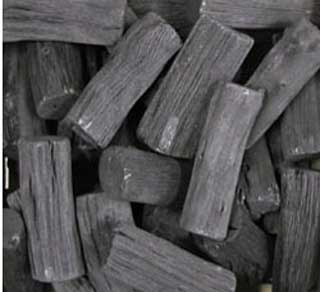
I'm sure most of us have found our freezer rather stinky from storing fresh fish frequently. The trick to removing the odour is to place a small block of charcoal in the freezer. The smell should be completely gone within a matter of days. I leave mine in the fridge until the odour returns, which by then means that the charcoal has already "sucked up as much smell as it could". That's when I replace the block with a new one. Try it and you'll be amazed!
Tip
1. Place the charcoal in the far back corner of your freezer so that it does not get in your way of storing/searching for food.
Salt

Feel a sore throat coming? Mix yourself a concentrated solution of water and salt and gargle your mouth/throat after meals. This should stop the sore throat from developing. Why does it work? In simple terms, just like how salted fish is preserved, the bacteria would find your throat a difficult place to survive in if it's salty. Their water gets drawn out in a hypertonic environment and thus "killing" them.
This one is for all females who have trouble removing period stains from their clothes or bed. You don't need any special washing detergent. Simply squirt some soap/handwash onto the stain and sprinkle some salt over it. Scrub before and while rinsing. The stain should come off easily. I do not know the science behind it but it seems to work.
I hope you've found this post useful. I've tried all of them myself and they have worked for me. It's not a guarantee but I sure hope they work for you too. I'll be testing out the lemon-pimple trick next and will let you know if I'm successful!
Baking Soda/Bi-Carb Soda
Apart from helping your cake expand, baking soda can help you eliminate horrible odour from almost anywhere! I've tried it myself. It "sucked" the rancid smell out of my aunt's car. Here's what I did: I poured some baking soda into a rectangle plastic container. I spread the powder so that it covers the entrie base of the container. Then, I left the container (without its lid) at the passenger's foot area for a few days. By the 3rd day, most of the smell was gone! It's a great alternative to buying an air-freshener, which only masks odours instead of getting rid of it.
Tips
1. The larger the base of the container, the better.
2. A large suface area is more important than large amounts of baking soda. But if you only have a container with a small base, you'll have to put large amounts and mix the baking soda now and then (so that more powder is exposed to the air and able to remove the odour).
3. Place the container where lots of air can come in contact with the baking soda. It's no point if you put it in the glove box (then only your glove box will be odour-free).
4. Have smelly shoes too? Sprinkle some baking soda into them!
Charcoal
I'm sure most of us have found our freezer rather stinky from storing fresh fish frequently. The trick to removing the odour is to place a small block of charcoal in the freezer. The smell should be completely gone within a matter of days. I leave mine in the fridge until the odour returns, which by then means that the charcoal has already "sucked up as much smell as it could". That's when I replace the block with a new one. Try it and you'll be amazed!
Tip
1. Place the charcoal in the far back corner of your freezer so that it does not get in your way of storing/searching for food.
Salt
Feel a sore throat coming? Mix yourself a concentrated solution of water and salt and gargle your mouth/throat after meals. This should stop the sore throat from developing. Why does it work? In simple terms, just like how salted fish is preserved, the bacteria would find your throat a difficult place to survive in if it's salty. Their water gets drawn out in a hypertonic environment and thus "killing" them.
This one is for all females who have trouble removing period stains from their clothes or bed. You don't need any special washing detergent. Simply squirt some soap/handwash onto the stain and sprinkle some salt over it. Scrub before and while rinsing. The stain should come off easily. I do not know the science behind it but it seems to work.
I hope you've found this post useful. I've tried all of them myself and they have worked for me. It's not a guarantee but I sure hope they work for you too. I'll be testing out the lemon-pimple trick next and will let you know if I'm successful!
Saturday, April 30, 2011
Edit
Photos! A wonderful way of capturing memories that we one day may or may not forget. These days many of us no longer have our photos "developed" and stored in photo albums. Instead, we keep digital copies of them on our hard drives or upload them onto online albums. The good thing about keeping photos digitally is that they don't take up space physically and won't fade. Online albums are convenient whereby you can easily share them with friends and family who live in another country (as long as they have a computer and the internet!).
Technology has really come a long way. Apart from taking and storing our photos digitally, we can edit them. There are a number of photo-editing softwares which we can buy from shops. However, since most of us edit our photos as a fun hobby, we don't feel the need to spend a few hundred dollars on a photo-editing software. Luckily, there is also a range of free photo-editing websites available to us.
My favourite one is Picnik. You can edit your photos without the fuss of creating an account/signing up with them. Even without the premium edition you can do lots! From changing the brightness of your photo to softening or fading it.


Photoshop (the online version), is pretty good as well. It also gives you the option of not creating an account and simply editing your photos. If you wish to store your photos on their site, you'd definitely have to sign up. There are a few things that Photoshop can do that Picnik cannot, vice versa. If you have the time, you should play around with both of them and decide which one you like best... or use both!


The website that I use to store some of my photos (for forum use), is called Photobucket. It does have editing tools but I find them inferior to Picnik and Photoshop. What I like about Photobucket is that it generates links and codes for my photos that I can easily copy and paste. Besides that, with so many people uploading photos, you get to browse through millions of them. Among them, you'd more than likely find a good photo of your favourite movie star or a beautiful scenic shot that you want a copy of. Photobucket also holds photography competitions some of which you can win cool prizes from!
There are plenty other websites for you to try. I'm simply too content with the three that I have listed to explore others. Other photo-storing websites that I know of are Flickr and Shutterfly. You must create an account with them as well if you want to use them. Shutterfly is a bit different whereby you can create photobooks and buy it from them. If you wish to download a free photo-editing software, you can try Picasa. Apparently, you can create amazing collages with it!
Happy editing!
Technology has really come a long way. Apart from taking and storing our photos digitally, we can edit them. There are a number of photo-editing softwares which we can buy from shops. However, since most of us edit our photos as a fun hobby, we don't feel the need to spend a few hundred dollars on a photo-editing software. Luckily, there is also a range of free photo-editing websites available to us.
My favourite one is Picnik. You can edit your photos without the fuss of creating an account/signing up with them. Even without the premium edition you can do lots! From changing the brightness of your photo to softening or fading it.
Before Picnik

After Picnik

Photoshop (the online version), is pretty good as well. It also gives you the option of not creating an account and simply editing your photos. If you wish to store your photos on their site, you'd definitely have to sign up. There are a few things that Photoshop can do that Picnik cannot, vice versa. If you have the time, you should play around with both of them and decide which one you like best... or use both!
Before Photoshop

After Photoshop

The website that I use to store some of my photos (for forum use), is called Photobucket. It does have editing tools but I find them inferior to Picnik and Photoshop. What I like about Photobucket is that it generates links and codes for my photos that I can easily copy and paste. Besides that, with so many people uploading photos, you get to browse through millions of them. Among them, you'd more than likely find a good photo of your favourite movie star or a beautiful scenic shot that you want a copy of. Photobucket also holds photography competitions some of which you can win cool prizes from!
There are plenty other websites for you to try. I'm simply too content with the three that I have listed to explore others. Other photo-storing websites that I know of are Flickr and Shutterfly. You must create an account with them as well if you want to use them. Shutterfly is a bit different whereby you can create photobooks and buy it from them. If you wish to download a free photo-editing software, you can try Picasa. Apparently, you can create amazing collages with it!
Happy editing!
Thursday, January 13, 2011
Be enlightened
It's interesting how lunch with elderly neighbours meant coming home with two websites to look up. We'd think that old people would be clueless when it comes to computers, mobile phones and the internet. One guest surprised me by suggesting I look up the following things on Google: Death of Common Sense and The Calf Path. You may have seen/heard of both of those webpages but have you actually read it? I think it's safe to say that majority of internet users these days go straight to Facebook the moment they get online. People get on twitter, formspring, tumblr and occasionally Wikipedia. I know someone who checks emails like a form of OCD. Teenagers play online games (MMORPGs) without blinking their eyes or ever leaving their seat in front of the computer.
I know I'm generalising or in the last case, stereotyping but I don't think anyone can deny such internet users exist. It's not a crime. It's just a pity. A pity that some people never really explored other parts of of the World Wide Web and enjoy it to the fullest. Yea, you can call me a hypocrite for now. I'm a blinkered internet user as well but I plan to change that. I vow to search up any random but awesome stuff that's hidden or barely touched. I'll then introduce my findings to the readers of my blog, if there's even any. So for now, here's two:
The first one is a sardonic yet amusing obituary for an "old friend" of the human race. What the writer says is true. Just in case you're too lazy to check it out. Here's a paragraph that I find is very important. Seriously though, just take your eyes off Farm Ville or Ocean Party for a minute and read it. It's worth your while. I even made it easy for you by putting a link.
"A most reliable sage, he [Common Sense] was credited with cultivating the ability to know when to come in out of the rain, the discovery that the early bird gets the worm and how to take the bitter with the sweet. C.S. also developed sound financial policies (don't spend more than you earn), reliable parenting strategies (the adult is in charge, not the kid) and prudent dietary plans (offset eggs and bacon with a little fiber and orange juice)."
The second one is a lovely poem with layers of meaning underneath all that rhyme. It explains why things are done in a certain way, especially when it comes to administrative bodies. It's because "things have always been done that way" and people tend not to change it. If you've read the poem, you'll understand what I'm talking about.
Feeling enlightened?
I know I'm generalising or in the last case, stereotyping but I don't think anyone can deny such internet users exist. It's not a crime. It's just a pity. A pity that some people never really explored other parts of of the World Wide Web and enjoy it to the fullest. Yea, you can call me a hypocrite for now. I'm a blinkered internet user as well but I plan to change that. I vow to search up any random but awesome stuff that's hidden or barely touched. I'll then introduce my findings to the readers of my blog, if there's even any. So for now, here's two:
The first one is a sardonic yet amusing obituary for an "old friend" of the human race. What the writer says is true. Just in case you're too lazy to check it out. Here's a paragraph that I find is very important. Seriously though, just take your eyes off Farm Ville or Ocean Party for a minute and read it. It's worth your while. I even made it easy for you by putting a link.
"A most reliable sage, he [Common Sense] was credited with cultivating the ability to know when to come in out of the rain, the discovery that the early bird gets the worm and how to take the bitter with the sweet. C.S. also developed sound financial policies (don't spend more than you earn), reliable parenting strategies (the adult is in charge, not the kid) and prudent dietary plans (offset eggs and bacon with a little fiber and orange juice)."
The second one is a lovely poem with layers of meaning underneath all that rhyme. It explains why things are done in a certain way, especially when it comes to administrative bodies. It's because "things have always been done that way" and people tend not to change it. If you've read the poem, you'll understand what I'm talking about.
Feeling enlightened?
Subscribe to:
Posts (Atom)